A budget EV guide has a shelf life of about eighteen months, and this one hit its limit. The federal purchase incentive that propped up half the maths in the United States is gone, one car on the original shortlist has not been sold new for years, and the cheapest electric car in the country is now a different vehicle entirely. So here is the list rebuilt from scratch, with the prices as they stand in August 2026 and no credit baked in.
- 1 The shortlist, priced
- 2 What changed since this guide first ran
- 3 Nissan Leaf: the range-per-dollar winner
- 4 Chevrolet Bolt EV: the cheapest way in, again
- 5 Hyundai Kona Electric: a narrower choice than it was
- 6 Chevrolet Equinox EV: when the family needs the space
- 7 Tesla Model 3: the top of the budget bracket
- 8 Where the Hyundai Ioniq Electric went
- 9 The running costs are where the budget case is made
- 10 Quick answers
The shortlist, priced
Prices below are US manufacturer figures for the 2026 model year, current as of August 2026, and they move often. Destination charges are noted where the manufacturer publishes them separately, because a $1,400 delivery fee matters a lot on a $29,000 car.
| Model | Starting price (US) | EPA range | Best for |
|---|---|---|---|
| Chevrolet Bolt LT | $28,995 including $1,395 destination | 262 miles | Lowest possible entry price |
| Nissan Leaf S+ | $29,990 before destination | 303 miles | Range per dollar |
| Hyundai Kona Electric SE | From $32,975 before destination | Up to 261 miles | Small crossover shape |
| Chevrolet Equinox EV LT | $34,995 before destination | 319 miles | Families needing real space |
| Tesla Model 3 Standard | $36,990 | 321 miles | Charging convenience |
What changed since this guide first ran
Three things moved, and all three matter more than any individual model update. The federal tax credit of up to $7,500 on a new EV ended on 30 September 2025 under the One Big Beautiful Bill Act, along with the $4,000 used-EV credit and the $1,000 home charger credit. Every sticker price in this guide is therefore the price you actually pay, not a price minus an incentive.
The second change is the arrival of the redesigned Leaf, which turned from a hatchback into a small SUV and took the range crown at the bottom of the market. The third is the return of the Chevrolet Bolt after a pause in production, now with a lithium iron phosphate battery instead of the older chemistry.
State and utility incentives still exist in some places and are worth checking before you sign, but they vary enormously from one state to the next and none of them is guaranteed to survive the year.
Nissan Leaf: the range-per-dollar winner
The 2026 Leaf is a genuinely different car from the one this guide originally covered. All three main trims carry a 75 kWh battery, and the range splits by trim rather than by battery: 303 miles on the S+ at $29,990, 288 miles on the SV+ at $34,230, and 259 miles on the Platinum+ at $38,990, the heavier equipment and larger wheels costing distance.
The detail worth knowing is the charging hardware. Nissan fitted both a NACS port and a J1772 port, on opposite fenders, which means Tesla Superchargers and older public networks are both available without an adapter hunt. Peak DC speed is 150 kW, giving roughly 35 minutes from 10 to 80 percent.
My reservation is the same one I would have had five years ago: the cheapest trim is the one with the best range, so the temptation to trade up costs you distance as well as money.
Chevrolet Bolt EV: the cheapest way in, again
The Bolt is back and it is still doing the job it always did. The LT trim lists at $27,600 plus $1,395 destination, for $28,995 delivered, and returns 262 miles from a 65 kWh lithium iron phosphate pack, with 213 hp and a 6.7-second run to 62 mph. Peak fast charging is 150 kW, which Chevrolet quotes as 10 to 80 percent in about 25 minutes.
That combination is the reason it keeps appearing on lists like this one. Nothing else under $30,000 offers more range, and LFP chemistry tolerates being charged to 100 percent routinely, which suits a car that will spend most of its life on a home socket.
Hyundai Kona Electric: a narrower choice than it was
The Kona Electric still starts around $32,975 before destination and still tops out at 261 miles with the larger 64.8 kWh battery, but Hyundai has thinned the lineup, which removes some of the value that made it a favourite here. If you want the long-range version, check what is actually on the lot rather than what the configurator implies.
As a shape it remains the easiest of these cars to live with in a city: high enough to get in and out of comfortably, short enough to park anywhere a hatchback fits.
Chevrolet Equinox EV: when the family needs the space
At $34,995 before destination for the front-wheel-drive LT, the Equinox EV is the point where a budget EV stops being a compromise for a family. It returns an EPA-estimated 319 miles in that configuration, which is more than most people’s weekly driving twice over.
Chevrolet has also been discounting it heavily since the federal credit disappeared, with reductions of several thousand dollars on the lower trims. Discounts come and go, so treat any figure you read, including that one, as a starting point for a conversation with a dealer rather than a fact.
Tesla Model 3: the top of the budget bracket
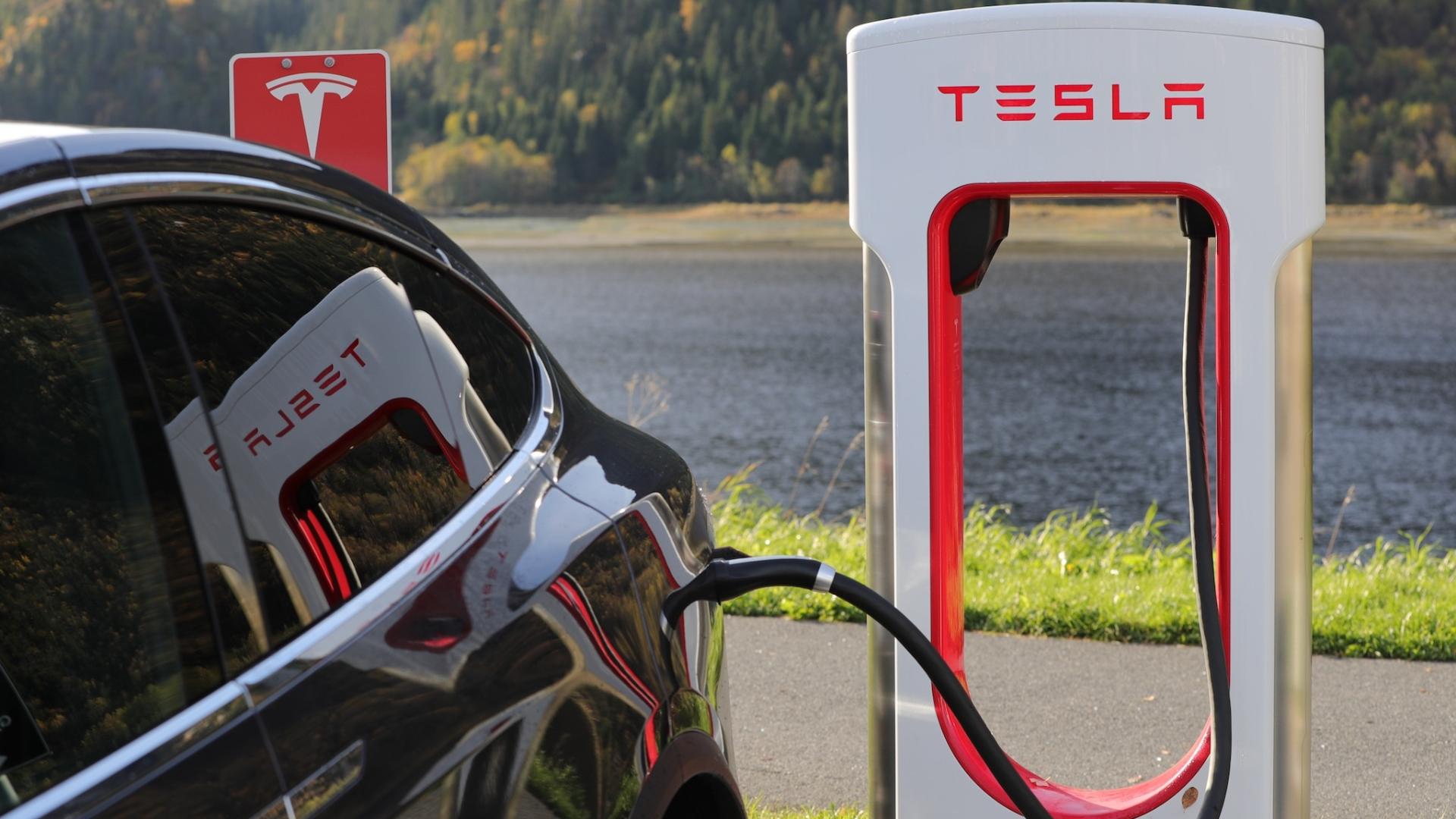
Tesla renamed its trims for 2026, and the new entry model is simply called Standard: $36,990, with an EPA-estimated 321 miles of range. Above it, the rear-drive Premium reaches 363 miles and the all-wheel-drive version 346.
It is the most expensive car here by some margin, and the argument for it is not the car so much as the charging. If you regularly drive beyond your home charger, the Supercharger network is still the least stressful way to do it, even though rivals now plug into it too.
Where the Hyundai Ioniq Electric went
Older versions of this guide, including ours, listed the Hyundai Ioniq Electric. It is worth being clear: that car was discontinued in the US after the 2021 model year, and Ioniq is now the name of Hyundai’s electric sub-brand rather than a single model. If you see one advertised, it is a used car. The Kona Electric and the Ioniq 5 occupy the space it left.
The running costs are where the budget case is made
An EV’s advantage is not the purchase price, which is still higher than an equivalent petrol car in most segments now that the federal credit is gone. It is the running cost: no oil changes, no fuel system servicing, fewer moving parts to wear out, and electricity that costs less per mile than petrol in most of the country.
Two things to budget for anyway. A home charger installation is a real cost and no longer subsidised federally. And insurance is mandatory everywhere, at a level and price that varies by country and by state, so get a quote on the specific model before you commit rather than assuming it will match your current car.
Quick answers
Is there still any federal help with an EV purchase? Not for new or used purchases after 30 September 2025. Check your state and your electricity utility instead, since those programmes are separate and still running in parts of the country.
How much range do I actually need? Work from your longest regular trip, not your longest imaginable one. If that number is under 150 miles, everything on this list clears it with a wide margin in normal conditions.
Does cold weather really cut the range? Yes, noticeably, mainly because heating the cabin draws from the same battery. Plan for a meaningful reduction in winter and preheat while still plugged in.
Are these prices valid outside the United States? No. Model availability, trim names, tax treatment and insurance requirements differ by country, and some of these cars are sold elsewhere with different batteries entirely.
Not convinced full electric is the right jump yet?
The hybrid question is a separate calculation, and for a lot of drivers it is still the honest answer.
Last updated: 6 August 2026. Prices and EPA range figures are US manufacturer and EPA data as published for the 2026 model year and change frequently; the Bolt figures are for the model year currently on sale. The federal clean vehicle credit ended on 30 September 2025 under the One Big Beautiful Bill Act. Availability, taxes, incentives and compulsory insurance requirements vary by country and by state: check the rules and the current price where you buy before making a decision.